

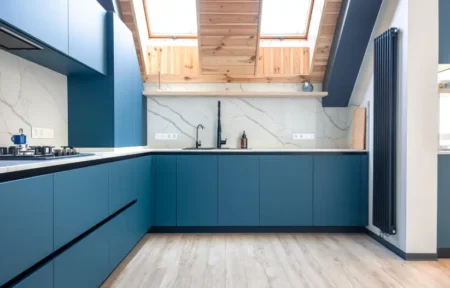
People often think a great kitchen comes from high-end appliances and stylish finishes. But you can have the best equipment and still feel uncomfortable using the space. The real difference comes from layout. How your kitchen is organized affects how you move, cook, and even how much you enjoy being there. You notice it when everything feels slightly inconvenient. You take extra steps, reach across awkward spaces, or constantly adjust your position while cooking. These small frictions add up and turn everyday tasks into something more tiring than they should be.
The Hidden Logic Behind A Functional Kitchen Space
A good kitchen layout follows a simple idea. Movement should feel natural. The most used areas, the sink, stove, and refrigerator, need to work together instead of against each other. This concept is often called the kitchen triangle, but in simple terms it just means reducing unnecessary movement. When these elements are too far apart or poorly positioned, cooking becomes less efficient. You spend more time walking around than actually preparing food. When they are placed correctly, everything flows. You move smoothly from one task to another without thinking about it.
Why Storage Design Changes Everything
Storage is one of the most overlooked parts of kitchen design. Cabinets may look clean from the outside, but if they are not practical inside, they create daily frustration. You open doors and search for things, stack items in awkward ways, or avoid using certain spaces because they are hard to reach. Good storage design solves this quietly. Frequently used items stay within easy reach, while less important things are stored out of the way. Drawers often work better than deep cabinets because they let you see everything at once. When storage works well, the kitchen feels more organized without extra effort.
How Lighting Affects The Way You Use Your Kitchen
Lighting is not just about visibility. It changes how comfortable and functional the space feels. A single overhead light often creates shadows exactly where you need clarity, like on countertops. That makes cooking more difficult and less enjoyable. Layered lighting works better. Bright task lighting over work areas helps you see clearly, while softer ambient lighting creates a relaxed atmosphere. When lighting is balanced, the kitchen becomes a space where you can both work efficiently and feel comfortable spending time.
Why Small Changes Can Make A Big Difference
You don’t always need a full renovation to improve your kitchen. Small adjustments often have a noticeable impact. Rearranging frequently used items, improving lighting in key areas, or clearing unnecessary clutter can change how the space feels. Even shifting how you use certain zones can make movement more efficient. These changes may seem minor, but they remove small points of friction that affect your daily routine. Over time that makes cooking and spending time in the kitchen feel easier.
What A Well Designed Kitchen Feels Like
When a kitchen works well, you don’t think about it. You move naturally, everything is within reach, and the space supports what you are doing instead of slowing you down. Cooking feels smoother, cleaning takes less effort, and the entire environment becomes more inviting. It is not about having the most expensive setup. It is about creating a space that matches how you actually live. When that happens, the kitchen stops being just a functional area and becomes a place you genuinely enjoy using every day.
Picture Credit: Freepik