

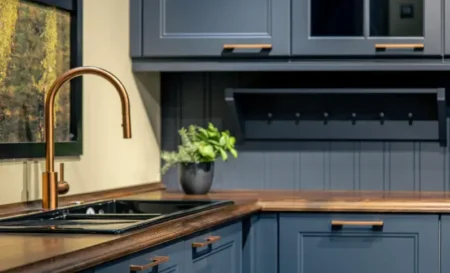
Cabinet hardware may seem like a small detail, but it can significantly change the overall appearance of your kitchen. Knobs, pulls, handles, and hinges add personality to cabinets while also affecting how comfortable they feel to use every day.
With so many sizes, finishes, and styles available, choosing the right hardware can quickly become confusing. Instead of focusing only on appearance, consider your cabinet design, kitchen style, proportions, comfort, and existing finishes before making a final decision.
Decide Between Knobs and Pulls
Knobs and pulls both work well on kitchen cabinets, but they create different looks and feel different in daily use. Knobs have a compact design and often suit traditional, transitional, and minimalist kitchens, while pulls provide more surface area to grip and can feel more comfortable on large drawers. You can also combine both styles by using knobs on cabinet doors and pulls on drawers. This approach adds variety while keeping the overall design organized and practical.
Choose the Right Hardware Size
Hardware should match the proportions of your cabinets and drawers. Small knobs or short pulls may look out of place on oversized drawers, while very long handles can overwhelm narrow cabinet doors. Large drawers often benefit from longer pulls or two smaller pieces of hardware. Before ordering an entire set, measure your cabinets carefully and test a few sizes. Seeing the hardware against the actual cabinet usually gives you a better idea of whether the proportions feel balanced.
Match the Hardware to Your Kitchen Style
Think about the overall character of your kitchen before choosing a design. Simple bar pulls and streamlined handles complement modern cabinets, while decorative knobs and detailed pulls often work better with traditional interiors. Transitional kitchens give you more flexibility because they combine classic and contemporary elements. You do not need to follow strict design rules, but the hardware should feel connected to the cabinets rather than looking like an unrelated addition.
Consider the Finish Carefully
Popular cabinet hardware finishes include brass, chrome, nickel, bronze, and matte black. Look at the other finishes already present in your kitchen, including the faucet, lighting, appliances, and decorative details. Matching every metal can create a coordinated appearance, but you do not have to make everything identical. Mixing two complementary finishes can add depth and personality. Try to repeat each major finish somewhere in the room so the combination looks intentional instead of accidental.
Think About Comfort and Daily Use
Beautiful cabinet hardware can become frustrating if it feels uncomfortable every time you open a drawer. Test how easily your fingers fit around pulls and whether knobs provide enough grip. Avoid designs with sharp corners or awkward shapes in areas you use frequently. Families with children may also prefer smoother hardware that does not easily catch on clothing. Practical details matter because you will probably touch your kitchen hardware dozens of times every day.
Pay Attention to Hardware Placement
Consistent placement helps cabinets look polished and organized. On doors, homeowners commonly position knobs or pulls near the edge opposite the hinges. Drawer hardware usually sits near the center, although the exact position depends on the drawer design and hardware size. If you replace existing hardware, choosing pieces that fit the current holes can simplify the project. New sizes may require drilling additional holes, so measure carefully before making permanent changes.
Test Hardware Before Buying a Full Set
Photos can make a finish or design look different from how it appears in your kitchen. Order a few samples when possible and place them against your cabinet doors during different times of day. Natural and artificial lighting can change how brass, black, chrome, and other finishes look. Testing samples also gives you a chance to evaluate weight, grip, quality, and proportions before investing in enough hardware for the entire kitchen.
Final Thoughts
The right cabinet hardware combines appearance with everyday function. Start with your kitchen style, choose a size that suits your cabinets, consider how different finishes work together, and make sure every piece feels comfortable to use. Taking time to test a few options can help you find hardware that updates your kitchen without requiring a major renovation.
FAQ
Should kitchen cabinets have knobs or pulls?
Both options work well. Knobs offer a simple, compact look, while pulls provide a larger grip. Many kitchens successfully combine knobs on doors with pulls on drawers.
Does cabinet hardware need to match the faucet?
No. Your cabinet hardware and faucet can have different finishes as long as the combination looks intentional and works with other elements in the kitchen.
What cabinet hardware finish is easiest to maintain?
Maintenance depends on the specific material and finish. Some brushed and satin finishes tend to show fingerprints less noticeably than highly polished surfaces. Check the manufacturer’s cleaning instructions before using chemical cleaners.
Can I replace cabinet hardware without replacing the cabinets?
Yes. Replacing knobs and pulls offers one of the easiest ways to refresh existing cabinets. If you choose hardware with the same hole spacing, you can often complete the update without drilling new holes.
Picture Credit: Magnific