


Skin care is often framed as a search for the right product. In reality, skin reflects how you live far more than what you apply. Hydration, sleep, stress, and daily routines shape skin condition long before creams do. Products can support the process, but they don’t replace it. When habits are unstable, skin shows it quickly.
Skin Is A Barrier First And Beauty Second
Your skin’s main job is protection. It keeps moisture in and irritants out. When that barrier is damaged, everything feels worse. Dryness, sensitivity, redness, breakouts. Supporting the barrier means being gentle, not aggressive. Over-cleansing and harsh treatments often cause more problems than they solve.
Consistent Cleansing Beats Overwashing
Clean skin matters, but more isn’t better. Washing too often strips natural oils that protect the skin. This leads to dryness and rebound oil production. Gentle cleansing once or twice a day is usually enough. Water temperature matters too. Hot water feels good but weakens the skin barrier over time.
Hydration Comes From Inside And Outside
Skin hydration isn’t just about moisturizer. It starts with water intake and balanced electrolytes. Dehydration shows up as dullness and tightness. Topical moisturizers help by sealing moisture in, but they work best when the body isn’t already depleted. Hydrated skin recovers faster and reacts less.
Sun Protection Is Daily Maintenance
Sun damage accumulates quietly. Even on cloudy days, UV exposure affects skin aging and health. Protection isn’t about avoiding the sun completely. It’s about limiting unnecessary damage. Daily sunscreen, shade, and smart timing reduce long-term stress on the skin and support repair.
Nutrition Shows On The Skin Fast
Skin responds quickly to what you eat. Diets low in nutrients and high in processed foods increase inflammation. That often appears as acne, redness, or uneven tone. Protein supports repair. Healthy fats support the barrier. Vitamins and minerals support turnover. Skin doesn’t need perfection. It needs consistency.
Stress Changes Skin Chemistry
Stress affects hormones and immune response. That changes oil production, inflammation, and healing speed. Breakouts, flare-ups, and sensitivity often track stress levels more closely than product changes. Managing stress doesn’t mean eliminating it. It means creating recovery through sleep, movement, and downtime.
Sleep Is When Skin Repairs Itself
Skin renewal peaks during sleep. Blood flow increases. Repair processes activate. Inadequate sleep slows healing and dulls complexion. Chronic sleep loss shows on the skin faster than aging itself. No skincare routine replaces rest.
Less Touching Means Fewer Problems
Constant touching, picking, and rubbing disrupt the skin barrier and spread bacteria. Many skin issues persist because of unconscious habits, not product failure. Letting skin exist without interference often improves it more than adding treatments.
Healthy Skin Is Calm Skin
The goal isn’t glow or perfection. It’s stability. Skin that doesn’t react, sting, or flare easily is healthy. That comes from gentle care, predictable routines, and patience. When skin feels calm, appearance usually follows.
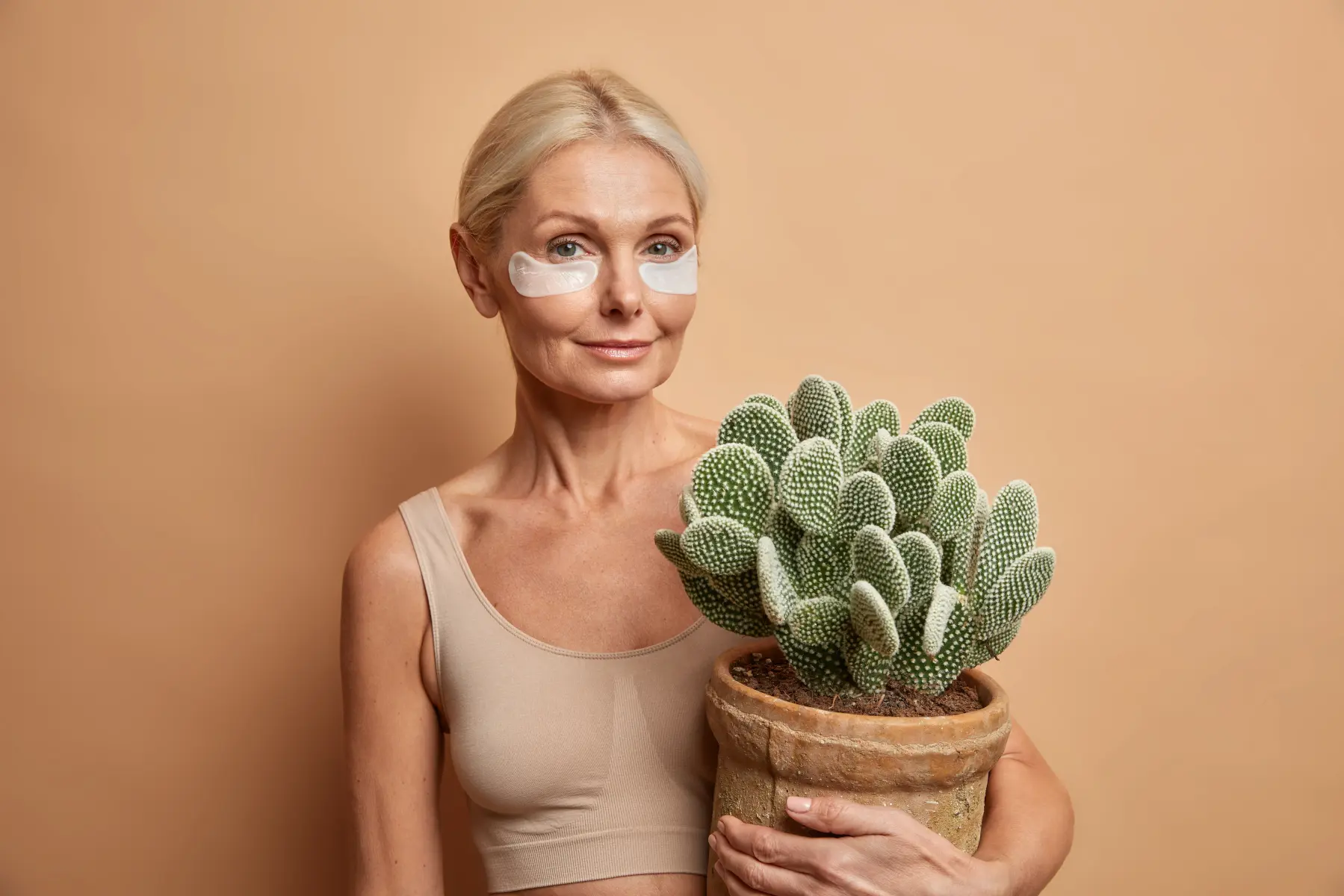
Picture Credit: Freepik