

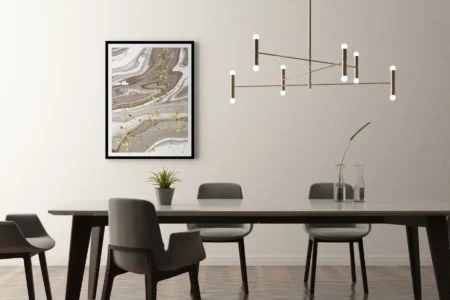
A home is more than walls, furniture, and square footage. It’s the place where your nervous system finally exhales. Where you recover from noise, pressure, expectations. When a home is designed well, you feel it immediately. Your shoulders drop. Your thoughts slow down. Your body understands that it’s safe here.
That’s why people say home is a place of power. Not because it’s fancy, but because it restores you.
How Interior Design Affects Your Mind
Your brain constantly reacts to what surrounds you. Colors, light, textures, layout — all of it sends signals. A cluttered, poorly lit space keeps your mind slightly tense, even if you don’t notice it consciously. Sharp contrasts, overcrowded rooms, awkward furniture placement create low-level stress that builds over time.
On the other hand, thoughtful interior design creates clarity. When space feels balanced, your mind stops scanning for problems. You focus better. You rest deeper. You feel more present. Design isn’t decoration. It’s communication between your environment and your nervous system.
Space and Flow Shape Your Energy
How you move through your home matters. Tight pathways, blocked corners, furniture that interrupts natural movement all drain energy. You bump into things. You hesitate. You feel boxed in. Even small obstacles add friction to daily life.
Good design respects flow. Rooms feel open without being empty. You move naturally from one area to another. Nothing fights your movement. When flow improves, energy follows. Daily routines feel smoother because your space supports them instead of resisting them.
Light Changes Emotional State
Light is one of the strongest psychological tools in interior design. Natural light lifts mood, improves focus, and helps regulate sleep. Dark, poorly lit rooms make you tired faster and affect motivation without you realizing why.
Good design works with light instead of blocking it. Curtains soften instead of suffocating. Lamps create warmth instead of glare. Evening lighting calms instead of stimulating. When light is intentional, your home feels alive during the day and peaceful at night.
Colors Influence How You Feel at Home
Color choices affect emotions more than trends ever will. Soft, warm tones create safety. Neutral palettes give your mind room to breathe. Overly aggressive colors can overstimulate, especially in spaces meant for rest.
This doesn’t mean your home should be boring. It means color should support the function of the room. Bedrooms calm. Living rooms ground. Work areas focus. When colors match purpose, the home starts working with you instead of pulling your energy in different directions.
Texture Brings Comfort and Grounding
A powerful home doesn’t feel flat. It has texture. Wood, fabric, stone, soft surfaces — these elements ground you physically and emotionally. Texture adds warmth that visuals alone can’t provide.
When everything feels hard and glossy, the space becomes cold. When textures balance each other, the home feels human. Comfort increases. You relax faster. You stay longer in the moment instead of rushing from one task to another.
Order Creates Mental Clarity
Clutter isn’t just visual. It’s mental. Every object left without a place becomes a tiny demand on your attention. Over time, that constant background noise exhausts you.
Good interior design includes storage, simplicity, and intention. Not minimalism for show — but order that supports real life. When everything has a place, your mind has fewer decisions to make. Clarity returns. Energy rises.
A Home Reflects Who You Are
A powerful home feels personal. Not styled for guests, but designed for you. It holds memories, comfort, routines, and quiet moments. When your space reflects your values and rhythm, you feel anchored.
You don’t need luxury to achieve this. You need awareness. Awareness of how you live, how you rest, how you recharge. Design becomes powerful when it aligns with your real needs, not external expectations.
Why Good Interior Design Changes Daily Life
A well-designed home supports your mental health, your focus, your rest, and your relationships. It gives you a base. A reset point. A place where energy is restored instead of drained.
Home becomes a place of power when it feels safe, balanced, and intentional. When it supports your body and mind quietly, every day. And when that happens, life outside the home becomes easier to handle — because you always have a space that gives you strength back.
Picture Credit: Freepik